Navigating the laptop market presents significant challenges given the vast array of hardware configurations, functional specifications, and form factors available. Manufacturers cater to diverse usage scenarios ranging from basic productivity tasks and entertainment consumption to specialized applications like gaming systems and workstations optimized for video production or computer-aided design. Compounding this complexity, most devices offer multiple customization options across display technologies, processor architectures, graphics solutions, memory capacities, and storage configurations.
To simplify the selection process, our editorial team has systematically evaluated products across multiple price segments and usage categories, including specialized recommendations like optimal home-use laptops. Our assessment framework rigorously examines critical parameters encompassing structural integrity, mobility features, endurance metrics, operational efficiency, computational performance, cost-effectiveness, and market accessibility. Through extensive evaluation of over 150 portable computing devices, we present our authoritative selection of top-performing laptops currently available.
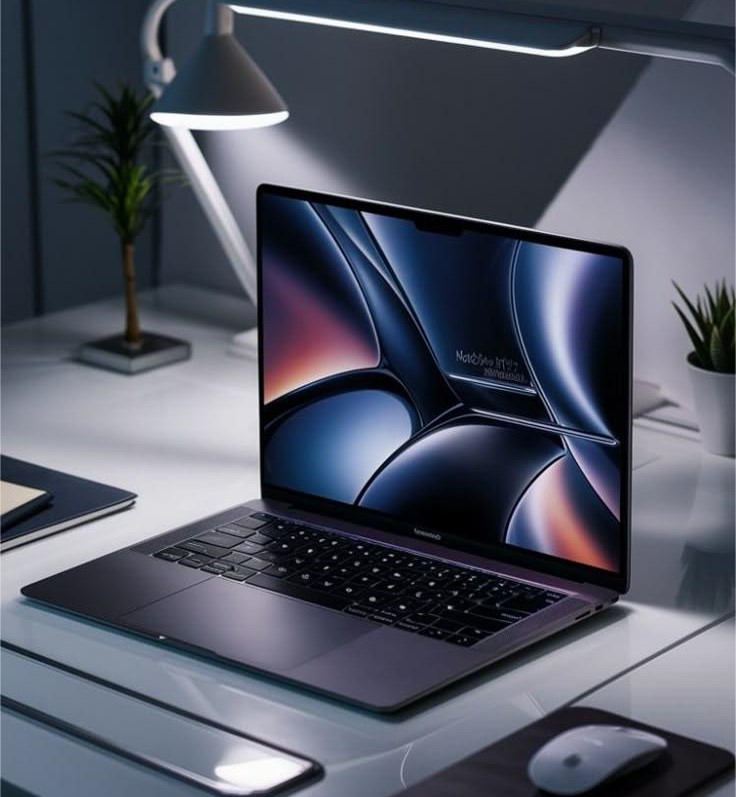
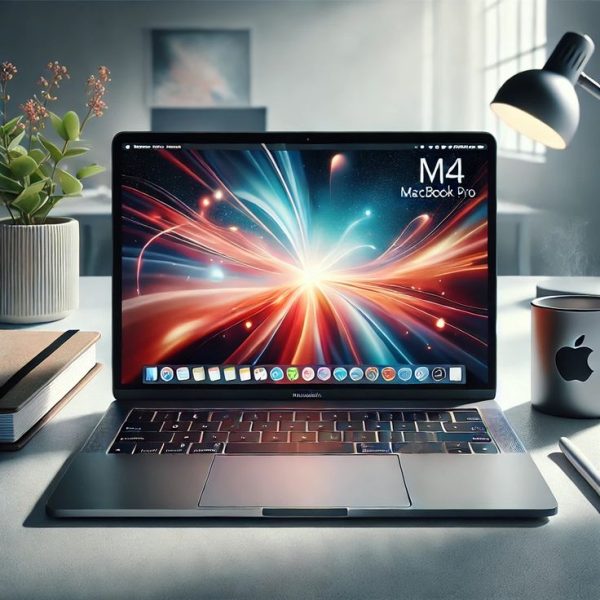
The Apple MacBook Pro 14 stands as a premier choice in the premium laptop segment. Its computational prowess sets new industry benchmarks among contemporary portable computers, while delivering an exceptional operational experience through its stunning Mini LED panel, expansive force-touch trackpad, immersive audio system, and advanced imaging sensor. The device’s structural craftsmanship represents the pinnacle of industrial design, complemented by industry-leading battery endurance for a high-performance machine. However, its functional adaptability trails Windows counterparts due to macOS’s restricted gaming library and limited titles optimized for Apple’s proprietary silicon architecture, positioning it suboptimally for gaming enthusiasts.
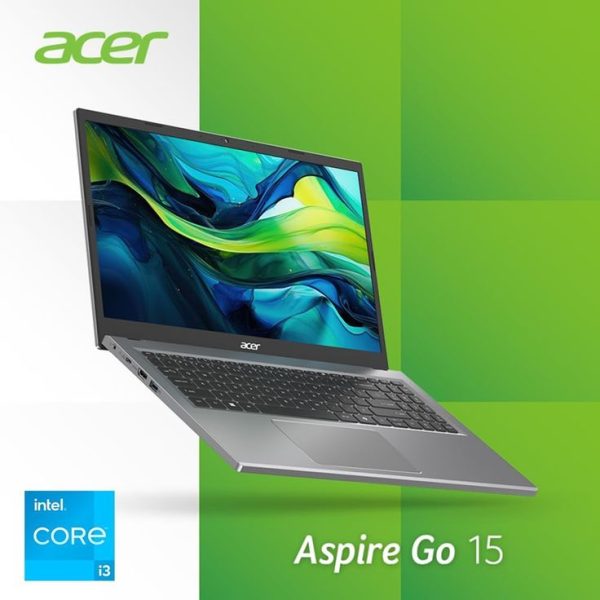
The Acer Aspire Go 15 emerges as a standout contender in the value-oriented laptop category, embodying both pragmatic strengths and inevitable limitations. Priced at $299, this 15-inch ultraportable features a robust chassis housing a generously sized keyboard, versatile connectivity options, and laboratory-validated battery endurance exceeding 10 hours. This affordability necessitates calculated concessions: audio reproduction quality remains subpar, the low-resolution imaging sensor produces desaturated video output, and processing capabilities prove constrained beyond basic document editing and web navigation tasks. Yet for cost-conscious consumers accepting these technical compromises, the device delivers unparalleled value as an entry-level productivity tool. Particularly suited as an educational initiation device, its optimized functionality for web-based research, digital coursework, and remote learning workflows makes it ideal for adolescent users. While competently handling office applications and lightweight creative software, expectations should be tempered regarding gaming performance or complex computational workloads beyond elementary sandbox environments.
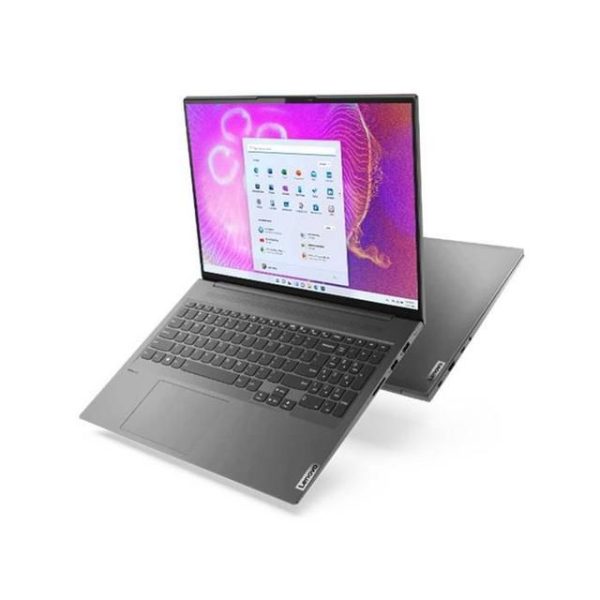
The Lenovo Yoga Slim 7x redefines Windows 11 mobility through its engineered focus on portable efficiency. Powered by Qualcomm’s Snapdragon X Elite processor, this device delivers multi-day battery endurance combined with robust computational capacity for sustained professional workflows. Its luminous OLED display establishes new visual benchmarks in the ultraportable category, while the ultra-slim chassis (0.59 inches thin, 2.8 lbs) revolutionizes mobile workstation portability. Priced at $1,199, it presents an exceptional price-to-performance proposition for hybrid professionals seeking premium engineering in a travel-ready form factor.
Display:13.5-inch 3:2 (2,256 x 1,504 pixels) CPU:13th Gen Intel Core i5 – i7 OR AMD 7040 series GPU:Intel Iris Xe integrated graphics or AMD RAM:8GB – 64GB Storage:256GB – 4TB SSD Weight:2.8 pounds
The Framework Laptop represents a philosophical antithesis to Apple’s design doctrine, manifesting three revolutionary principles absent in Cupertino’s playbook: modular architecture, future-proof upgradability, and user-centric ownership principles. While initially skeptical about balancing these ethical commitments with commercial viability – particularly regarding potential compromises in core functionality or build quality – my thorough evaluation confirms its operational parity with marketing claims. The Framework Laptop 13’s engineering brilliance shines through its tool-less disassembly mechanism (achieving full component accessibility within minutes using only the included plastic pry tool) and innovative hot-swappable peripheral interface system. This combination establishes it as a paradigm-shifting ultraportable, particularly recommended for technologically empowered users prioritizing hardware sovereignty and customization autonomy.
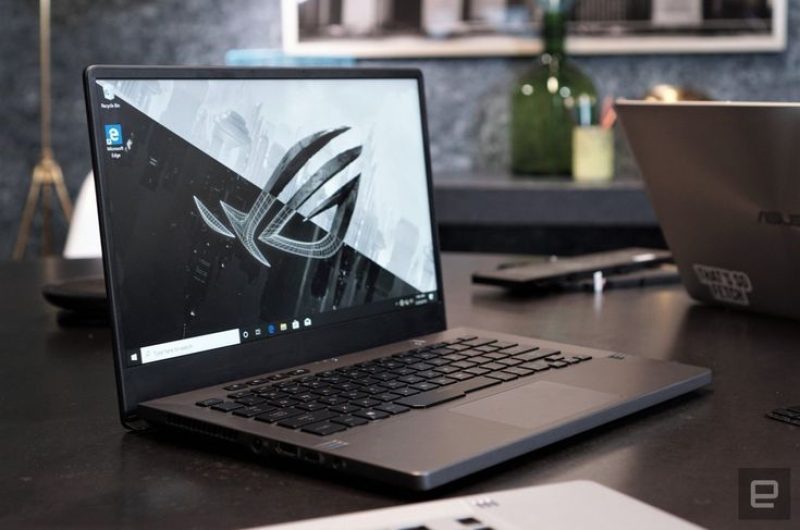
The Asus ROG Zephyrus G14 redefines portable gaming excellence through its optimized power-to-portability ratio, establishing itself as the quintessential choice for mainstream gamers. This engineering marvel combines AMD’s computational architecture with Nvidia’s graphical processing unit in a synergistic configuration that delivers consistent frame rates across AAA titles, while achieving unparalleled endurance metrics within the gaming notebook category. Evolutionary enhancements manifest through upgraded visual output with increased luminance levels (300+ nits peak brightness) and refined acoustic clarity, complemented by the strategic integration of an imaging sensor within the display bezel – resolving a critical omission from previous iterations. Our laboratory analysis revealed two caveats: thermal constraints occasionally caused parity in benchmark performance with cost-equivalent alternatives, while the embedded imaging module exhibited technical limitations in low-light environments. Nevertheless, its unique proposition as a multifunctional computing solution – seamlessly transitioning between gaming rig, academic workstation, and professional productivity tool – secures its position as an unmatched value proposition in the 1,200−1,200−1,600 performance segment.